
Edinburgh Metabolism
Rob Semple, MB BChir, PhD
Professor of Translational Molecular Medicine
Institute for Neuroscience and Cardiovascular Research
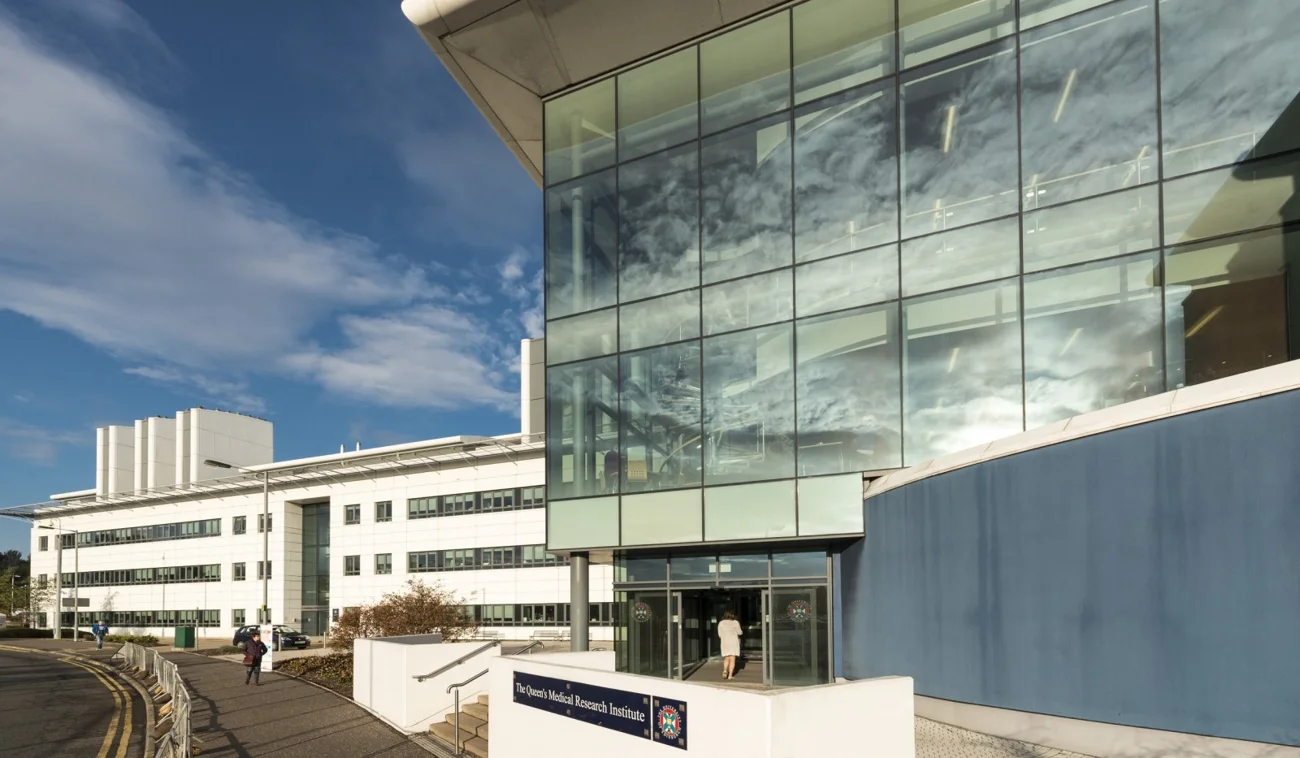
Queen’s Medical Research Institute
Edinburgh BioQuarter, EH16 4TJ

Profile
Robert Semple is Professor of Translational Molecular Medicine at the University of Edinburgh, where he has been Dean of Postgraduate Research for the College of Medicine and Veterinary Medicine since 2018. He trained in Biochemistry and then Medicine at the University of Cambridge, with clinical postgraduate training in London and Cambridge, including a PhD in the laboratory of Prof. Sir Stephen O’Rahilly. He is clinically active in both diabetes and endocrinology, as well as leading a translational research programme. Other activities have included a 4 year term as Associate Editor for Diabetologia, 6 years as Deputy Editor of the European Journal of Endocrinology, and 6 years serving on the MRC Population and Systems Medicine Board. He also leads the MRC Edinburgh/Glasgow Precision Medicine Doctoral Training. Programme, and is chair of the Oversight Board for the MRC/NIHR National Rare Disease Platform
Research area
My overarching interest is in the causes and consequences of abnormal insulin/PI 3-Kinase/AKT signalling in human disease. I aim ultimately to gain insights into the nature and mechanisms of "common" insulin resistance, and into potentially modifiable mechanisms linking it to major diseases such as type 2 diabetes, fatty liver, dyslipidaemia, subfertility and cancer. To achieve this, my lab focuses first on the genetic, cellular and molecular basis of extreme human disorders of insulin action, whether genetic or antibody-mediated, and ranging from severe insulin resistance to spontaneous non insulin-dependent hypoglycaemia. Many of the conditions we study feature primary abnormalities either the insulin receptor (INSR) or downstream phosphoinositide-3-kinase (PI3K). As well as undertaking mechanistically informative studies of relevance to common disease, I have a major translational interest in improving diagnostic pathways and therapy for patients with these rare disorders. Core approaches include physiological phenotyping of humans with rare genetic syndromes, dissection of insulin action in primary cells from affected patients ex vivo, and identification of causative genetic defects using hypothesis-led and non hypothesis-driven genetic approaches.
A second major interest of my lab arose from opportunistic discovery of postzygotic mosaic PIK3CA mutations in a family of asymmetric growth disorders in 2013. Having built a cohort of affected patients and led or contributed to pilot clinical trials, interest is now focused on collaborative studies exploiting the complementary power of human tissue transcriptomics, zebrafish and induced pluripotent stem cell modelling to seek novel mechanisms of disease, and novel therapeutic targets. These studies are focusing in particular on endothelial cell models
Publications
Showing 12 most recent publications
Abcc1 deficiency protects from corticosterone but not cortisol-induced adiposity and insulin resistance in a sex-specific manner
Pubmed Link ↗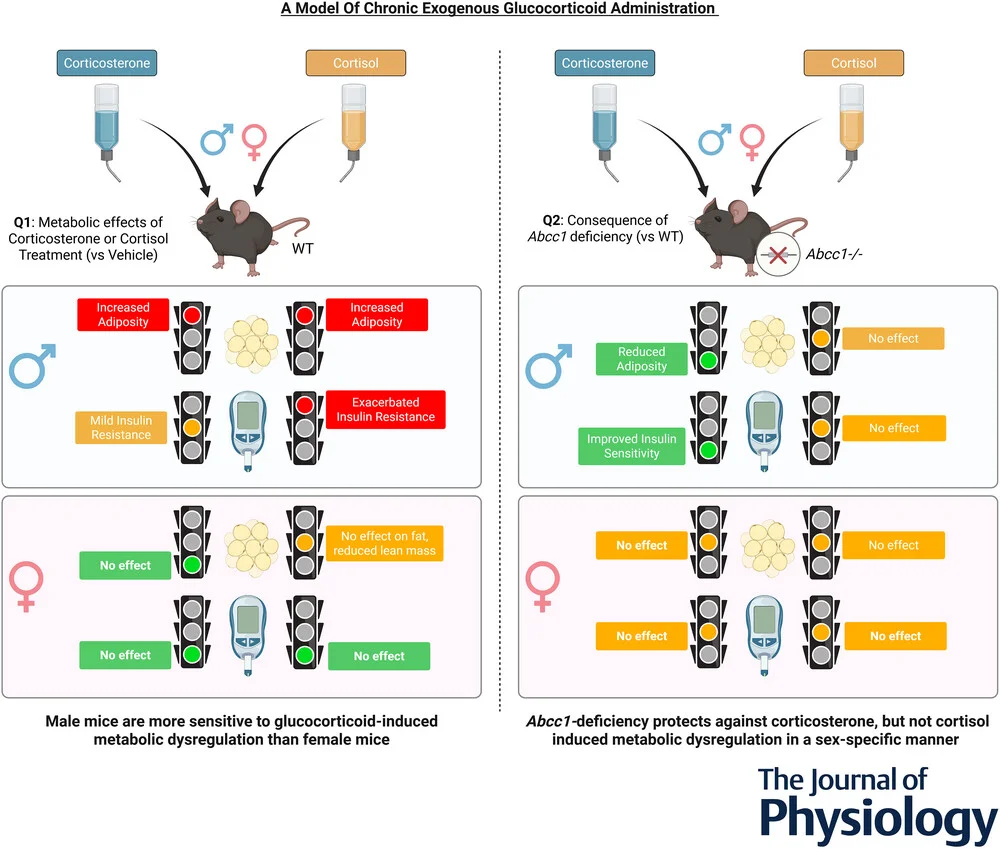
Collapse
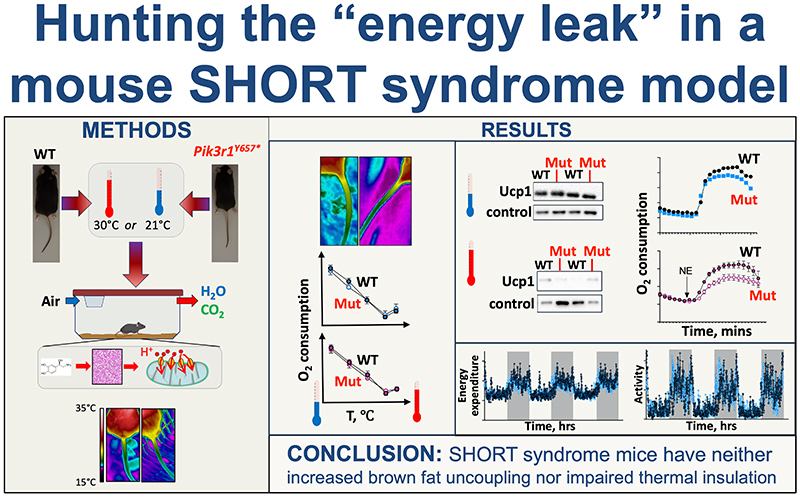
The metabolically protective energy expenditure increase of Pik3r1-related insulin resistance is not explained by Ucp1-mediated thermogenesis
Pubmed Link ↗